
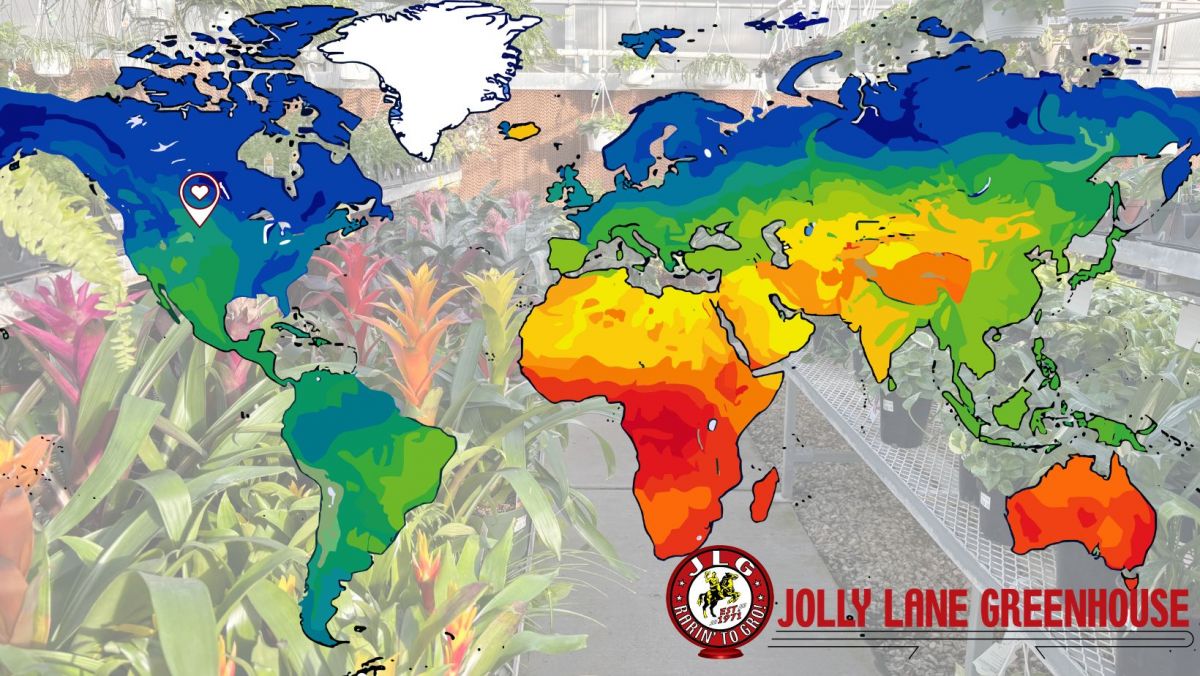
As gardeners across western South Dakota prepare for the growing season, the updated USDA Plant Hardiness Zone Map offers fresh guidance for planning landscapes, choosing perennials, and understanding local climate patterns. The map - updated using 30 years of climate data (1991–2020) - helps gardeners determine which plants are most likely to overwinter successfully based on average annual minimum temperatures.
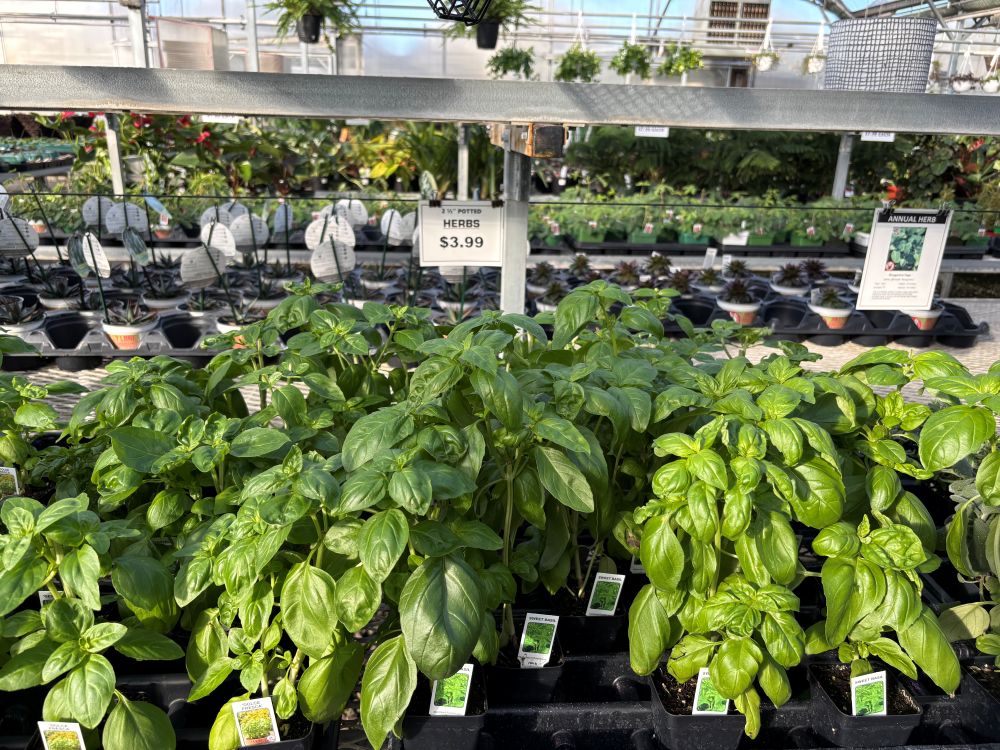
Here at Jolly Lane Greenhouse, spring is already underway. As Tim shared in our recent Facebook video, the team is busy planting seeds, propagating, and preparing for summer. The greenhouse is waking back up whether or not winter actually hit Rapid City.
A Quick Refresher: What the USDA Plant Hardiness Zones Represent
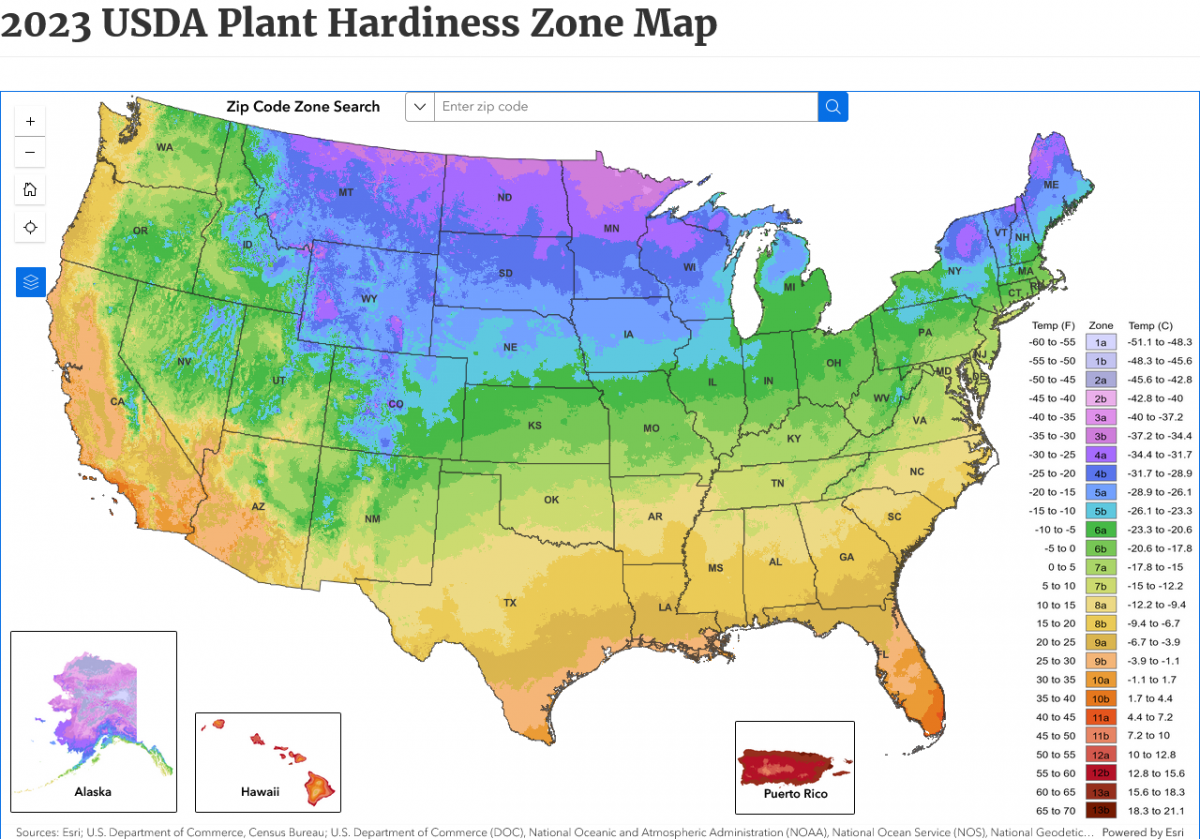
2023 USDA Plant Hardiness Zone Map provided by U.S. Department of Agriculture
The USDA Plant Hardiness Zone Map divides the country into zones based on average annual extreme minimum temperatures, displayed in 10°F bands and 5°F half‑zones.
These zones help gardeners:
- Determine which perennial plants are most likely to survive the winter
- Compare plant tags and catalogs for zone compatibility
- Choose varieties suited to their specific climate conditions
While zone numbers help guide decisions, SDSU Extension notes that local conditions like wind, soil moisture, and microclimates still play a major role in plant success, and gardeners should use the map as one tool among many.
Where South Dakota Stands on the Updated Map
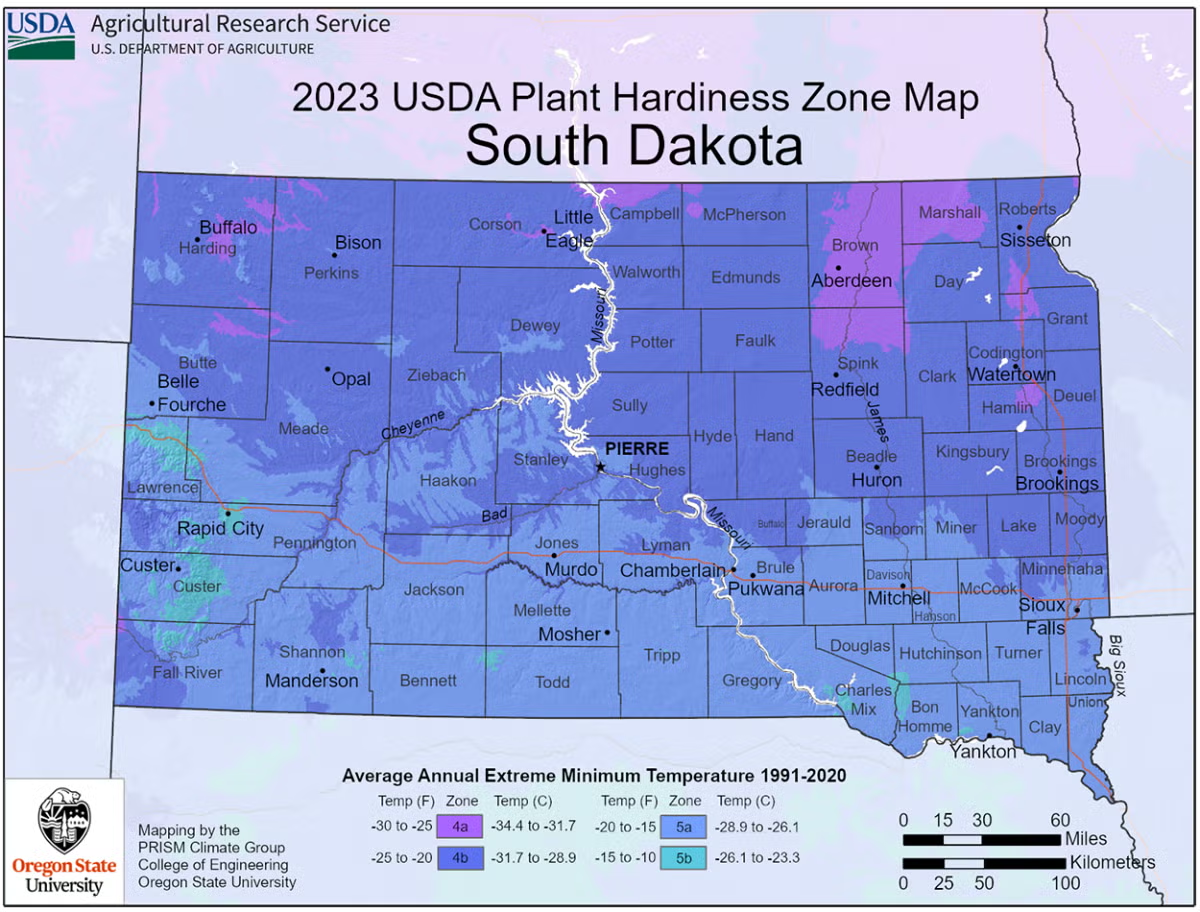
Map of South Dakota’s plant hardiness zones. (U.S. Department of Agriculture graphic)
South Dakota spans zones 4a through 5b, according to the 2023 update.
Zones vary widely across the state due to:
- Elevation differences
- River valleys
- Prairie exposure
- Black Hills foothill effects
These regional variations make it especially important to check your local zone before selecting long‑lived plants like shrubs, trees, and perennials.
Rapid City’s Current USDA Hardiness Zone
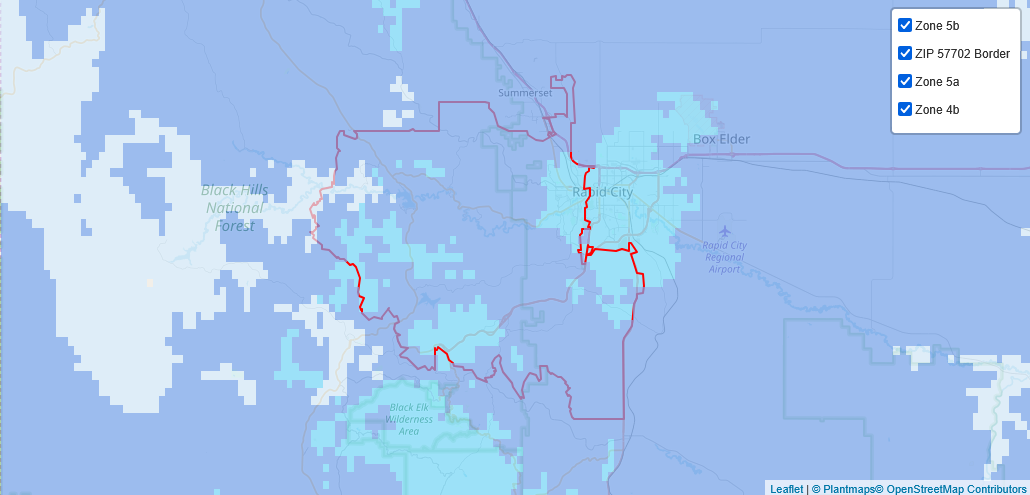
Courtesy of https://www.plantmaps.com/hardiness-zones-for-rapid-city-south-dakota
For gardeners here at home:
Rapid City is classified as Zone 5b
Average annual extreme minimum temperature: –15°F to –10°F
This zone information helps guide choices for fruit trees, shrubs, perennials, and landscape plants that need to withstand winter conditions typical of the Rapid City area.
Just remember, microclimates matter. Wind exposure, snow cover, soil type, elevation, and neighborhood topography can all influence how plants perform from year to year.
Planning for the Season After One of the Driest Winters on Record
While the Hardiness Zone Map focuses on extreme cold, this past winter in the Rapid City area has been exceptionally dry, which affects early‑season soil moisture and plant resilience.
Because dryness is not reflected in zone numbers, it’s important for gardeners to compensate with mindful watering and soil care as the growing season begins.
Here are some local hydration tips to help your garden transition smoothly into spring:
Top Tips to Keep Your Plants Hydrated During Dry Spells
- Water Deeply and Infrequently
Instead of light, frequent watering, aim for slow, deep soakings that reach the root zone. This encourages plants to build deeper, more resilient roots.
- Mulch Generously
Apply 2–3 inches of mulch around trees, shrubs, and perennials to reduce evaporation and moderate soil temperatures. Wood chips, shredded bark, or even clean straw can help lock in moisture.
- Check Soil Moisture Regularly
Dry winters can leave the soil unusually depleted. Before spring planting, use a trowel or soil probe to check for moisture 4–6 inches below the surface.
- Water Evergreens Early
Evergreen trees and shrubs lose moisture even in winter. If the soil thaws and conditions are mild, providing a deep watering can prevent early‑season stress.
- Prioritize New Plantings
Freshly planted shrubs, perennials, and trees need consistent moisture until established. Their soil should remain evenly moist but not waterlogged through the first growing season.
- Group Plants by Water Needs
Design garden beds so drought‑tolerant plants are together and moisture‑loving plants share the same space. This makes irrigation more efficient during dry periods.
- Use Drip Irrigation Where Possible
Drip hoses or soaker lines deliver slow, targeted moisture with minimal waste which is ideal for our region’s frequent dry spells.
Spring at Jolly Lane: We’re Already Growing Ahead
In our recent Tips from Tim video, you’ll see how our team is already:
- Starting seeds
- Propagating new plant material
- Preparing summer baskets and bedding plants
- Caring for thousands of young plants that will fill the greenhouse
Even after a dry winter, the growing season is full of potential, and we’re here to help you make the most of it.
Let Jolly Lane Help You Choose the Right Plants
Whether you’re selecting hardy perennials, browsing shrubs, or planning a vegetable garden, the updated Hardiness Zone Map combined with smart watering practices can help you build a resilient landscape that thrives through the season.
Stop by the greenhouse this spring and chat with our team. We love helping Rapid City gardeners grow confidently, no matter what the weather brings.