What Can You Grow as the Weather Cools?
You can grow many cold weather veggies in fall and early winter, especially leafy greens, root crops, brassicas, and hardy herbs. Depending on your climate, protection, and planting time, winter veggies like kale, spinach, carrots, beets, radishes, cabbage, and Brussels sprouts can handle chilly nights and often taste sweeter after light frost. For fruit, focus on late-season apples, pears, hardy berries, rose hips, and protected container citrus where conditions allow.
The trick is matching the plant to the season instead of trying to stretch summer too far. Tomatoes, peppers, cucumbers, and squash love heat, so they slow down when days shorten and nights cool. Fall veggies work differently. They grow best when the soil is still workable but the air is mild, which makes them perfect for raised beds, sidewalk planters, school gardens, and public edible landscapes.
For city projects, this matters. A cool-season planting plan keeps public spaces alive after summer annuals fade. It also gives pollinators shelter, creates fresh local food opportunities, and helps residents see green space as something useful in every season, not just a summer feature.
Veggies that Can Thrive in Autumn
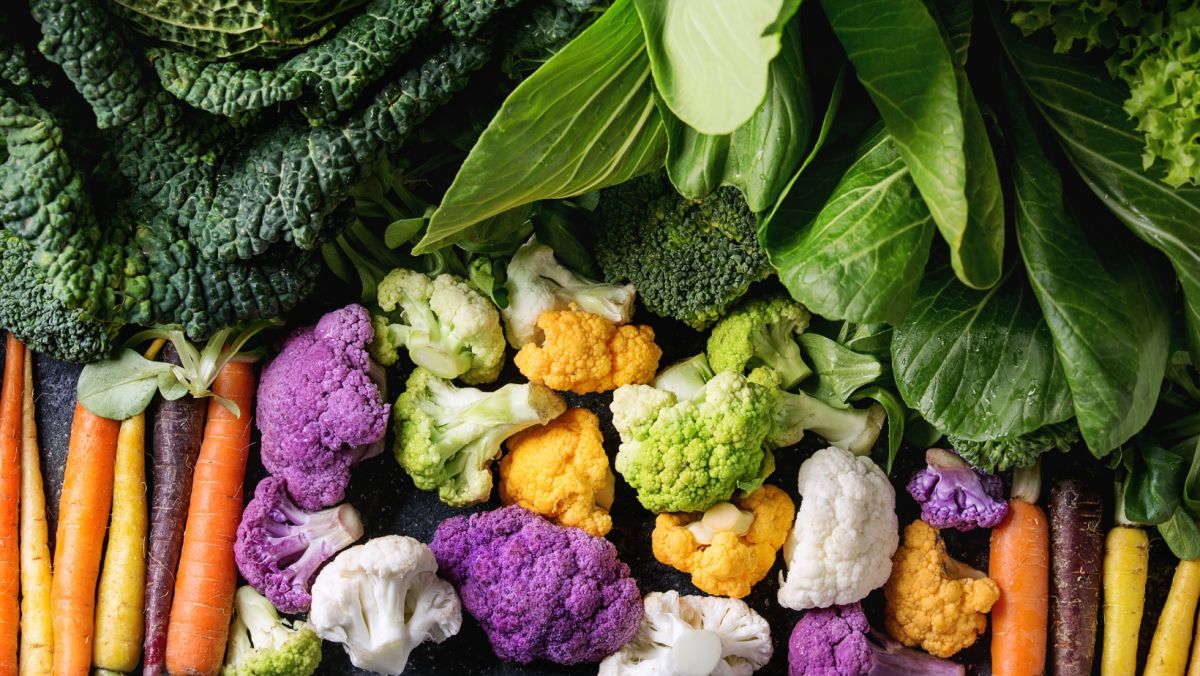
Fall vegetables are some of the most rewarding crops to grow because they ask for less watering than summer crops and usually face less heat stress. Many also fit well into compact urban spaces because they grow low, tolerate containers, and can be harvested in stages.
Start with these viable veggies:
- Garlic: Garlic is typically planted in fall so roots can establish before winter. It requires very little space, performs well in raised beds and containers, and rewards gardeners with a flavorful harvest the following summer.
- Kale: One of the toughest winter veggies, kale handles frost well and can be harvested leaf by leaf. Plant it in beds, containers, or edible borders where its textured leaves add color and structure.
- Spinach: Spinach loves cool soil and mild days. Sow it thickly for baby leaves or give plants more room for larger harvests.
- Lettuce: Loose-leaf lettuce grows quickly and works beautifully in window boxes, raised beds, and community garden plots. Choose a few varieties for color, texture, and staggered harvests.
- Arugula: This peppery green germinates fast and adds big flavor to small spaces. It is a good choice when you need a quick crop between larger plantings.
- Carrots: Carrots can become sweeter in cool soil. Loose, stone-free soil is key, especially in raised beds.
- Radishes: Radishes are a simple win for beginner gardeners and public garden demonstrations. They mature quickly and help keep garden beds productive.
- Beets: Beets offer two harvests: tender greens and earthy roots. Their red and gold leaves also bring ornamental value.
- Broccoli: Broccoli prefers cool weather and steady moisture. Give it enough room and plant early enough that heads form before deep cold.
- Cabbage: Cabbage is sturdy, attractive, and useful in edible landscaping. It can anchor a fall bed alongside herbs and pansies.
- Brussels sprouts: These need a longer season, but the payoff is worth it. The tall stalks add vertical interest in community gardens and urban demonstration beds.
A helpful vegetable planting guide always begins with your average first frost date. Count backward from that date using the seed packet’s days to maturity, then add a little extra time because fall growth slows as daylight decreases. If you are planting transplants instead of seeds, you can often gain a few valuable weeks.
Fall and Winter Fruits for Edible Landscapes
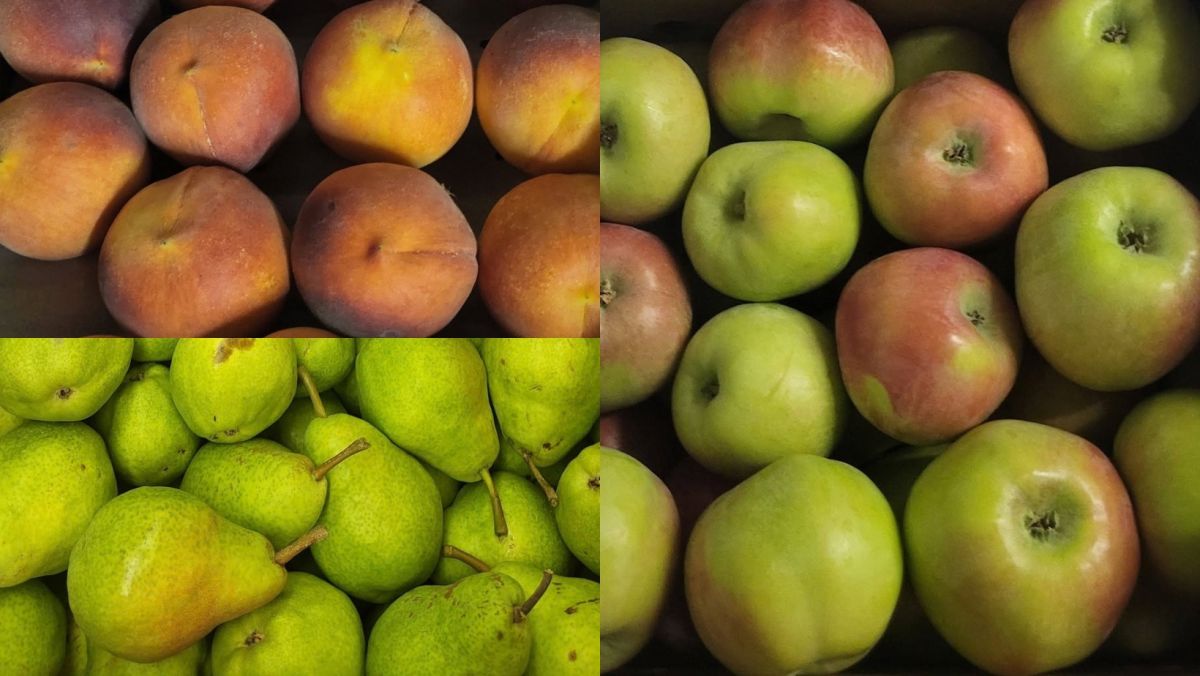
Fall fruits bring color, habitat value, and seasonal interest to gardens at the exact moment many landscapes start to look tired. Apples and pears are classic choices for larger spaces, while compact fruit trees, espalier forms, and dwarf varieties can fit courtyards, pocket parks, and urban food gardens.
Favorable fall fruits to consider include:
- Apples: Choose varieties suited to your region and plan for cross-pollination if needed. Apples can be a strong fit for parks, school gardens, and edible streetscapes where maintenance is planned.
- Pears: Pear trees offer spring blooms, summer shade, and autumn harvests. They can be elegant in mixed-use landscapes.
- Plums: Some hardy plums do well in cooler regions and support pollinators with early blossoms.
- Raspberries: Fall-bearing raspberries can produce late in the season and work well along fences or in dedicated community garden rows.
- Grapes: Grapes need support, pruning, and sun, but they can create productive shade structures in urban spaces.
- Rose hips: If you grow compatible rose varieties without heavy chemical inputs, rose hips can provide winter color and wildlife value.
The phrase “winter fruits” can mean different things depending on your climate. In colder regions, it often refers to stored apples and pears, rose hips, and berries that persist for birds. In milder climates or protected greenhouse settings, winter fruits may include citrus, figs, or strawberries grown with season extension. The main point is to choose fruiting plants that fit the site, not the wish list.
Soil Preparation Before the Temperatures Drop
Healthy soil is the quiet hero of fall and winter gardening. After a busy summer, garden beds often need compost, mulch, and gentle cleanup before new crops go in. Good soil helps roots grow quickly while there is still warmth in the ground, which is especially important for cool-season plants.
Before planting, remove diseased plant debris and spent summer crops. Leave healthy roots in place when possible, because decaying roots can help feed soil life and protect soil structure. Add compost to refresh nutrients, then loosen compacted areas with a garden fork instead of turning the soil aggressively. Less disturbance helps worms, fungi, and beneficial microbes keep doing their work.
Mulch is especially useful as nights cool. A light layer of straw, shredded leaves, or clean plant material helps hold moisture, reduce erosion, and buffer soil temperature. In public spaces, mulch also gives beds a finished look, which helps seasonal edible plantings feel intentional rather than temporary.
For urban planners, soil testing should be part of any edible landscape project. City soils may have compaction, low organic matter, or contamination concerns. Raised beds with clean soil can be the best choice for food production in high-traffic or unknown sites.
Winter Gardening Tips for Protection and Design
Winter gardening is mostly about protection, timing, and realistic expectations. Plants do not grow quickly in cold, low-light conditions, but many can hold in the garden for repeated harvests if they are established before hard freezes arrive.
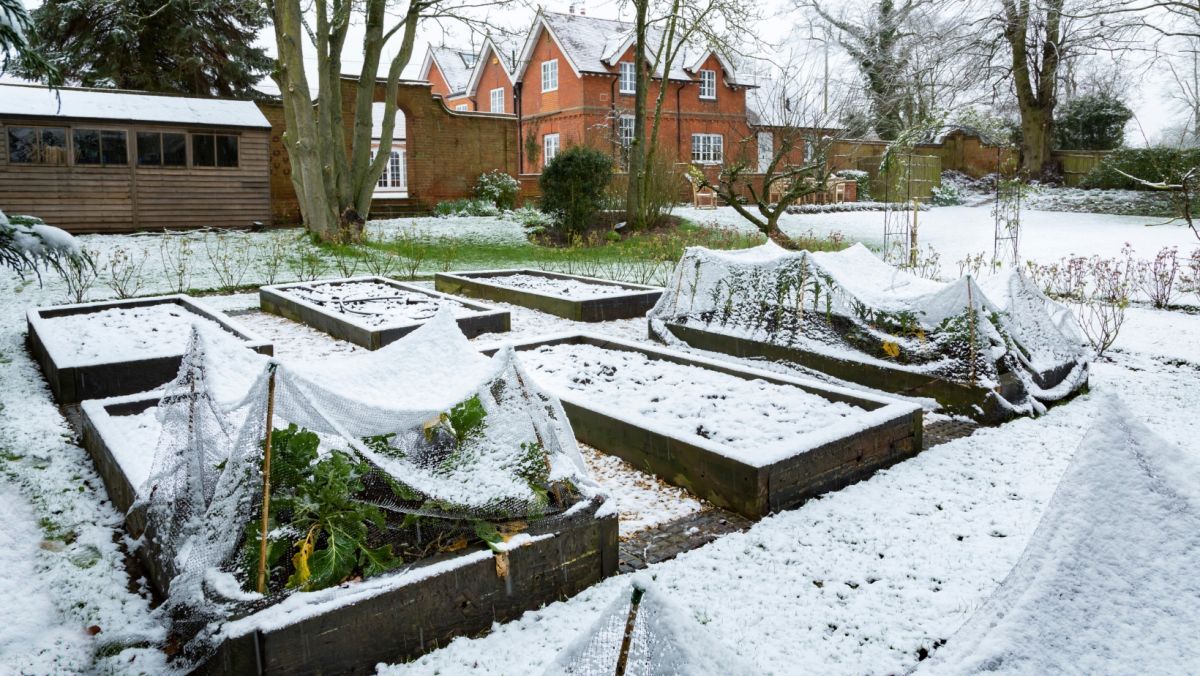
Use these winter gardening tips to extend the season:
- Plant early enough for roots to develop. A strong root system helps crops handle cold better than rushed late planting.
- Use row covers for light frost protection. Lightweight fabric can raise the temperature around plants and reduce wind damage.
- Add low tunnels in exposed sites. Hoops with cover fabric or plastic can protect greens and roots in small beds.
- Mulch root crops. Carrots, beets, and parsnips can often be held in the ground longer with a protective mulch layer.
- Water before deep freezes when soil is dry. Moist soil holds heat better than dry soil, but avoid soggy conditions.
- Harvest before severe weather. If a major cold snap is coming, pick tender crops and cover the hardier ones.
- Choose wind-protected locations. Courtyards, south-facing walls, and sheltered beds can create useful microclimates.
Design matters too. In urban gardens, cold frames, raised beds, and covered planters can be attractive when they are built with clean lines and durable materials. Pair edible plants with hardy ornamentals, evergreens, seed heads, and native grasses so the space looks cared for even when production slows.
Harvesting Tips as Nights Get Colder

Jolly Lane is here with harvesting tips that can make the difference between a short fall crop and weeks of steady meals. In cool weather, harvest in the afternoon when leaves have thawed and dried. Picking frozen leaves can damage plant tissue, especially on tender greens.
For leafy crops, use the “cut and come again” method. Take the outer leaves and leave the growing center intact so the plant keeps producing. For lettuce and spinach, harvest baby leaves early if a cold spell is coming. For kale and collards, pick lower leaves first and let the top continue growing.
Root crops need a slightly different approach. Radishes should be pulled when they reach eating size, because they can become woody if left too long. Carrots and beets can stay in the soil longer if protected, but harvest them before the ground freezes solid. Brush off soil gently, remove leafy tops for storage, and keep roots cool and humid.
Brassicas like broccoli, cabbage, and Brussels sprouts are often improved by cool weather. Cut broccoli heads while buds are tight, then watch for side shoots. Harvest cabbage when heads feel firm. Pick Brussels sprouts from the bottom of the stalk upward as they size up.
If you manage a community garden or public edible space, post simple harvest signs. Clear guidance reduces waste and helps visitors know when crops are ready. It also turns the garden into a hands-on classroom, which is one of the best ways to build support for urban green space.
A Simple Cool-Season Planting Plan
A practical fall/winter planting plan keeps the garden from becoming a guessing game. Instead of planting everything at once, divide your fall and winter garden into quick crops, steady crops, and long-season crops.
Use this simple guide:
- Quick crops for fast results: Radishes, arugula, baby lettuce, mustard greens, and spinach. These are ideal for small beds, containers, and public demonstration gardens.
- Steady crops for repeated harvests: Kale, Swiss chard, parsley, cilantro, green onions, and loose-leaf lettuce. These keep producing when harvested carefully.
- Longer crops for structure and storage: Carrots, beets, cabbage, broccoli, Brussels sprouts, and leeks. These need more planning but add substance to the garden.
- Fruit for long-term value: Apples, pears, raspberries, grapes, and hardy shrubs with edible or wildlife-friendly fruit. These are investments in future seasons.
For a polished landscape, mix food crops with plants that support pollinators and visual appeal. Calendula, violas, ornamental cabbage, native grasses, and seed-bearing perennials can soften the look of vegetable beds. This approach works especially well in public spaces like businesses and parks because it blends productivity with beauty.
Succession planting also helps. Sow small batches of greens every one to two weeks in late summer and early fall, as your climate allows. That way, one weather swing does not wipe out your entire harvest window.
Sustainable Choices for Urban Gardens
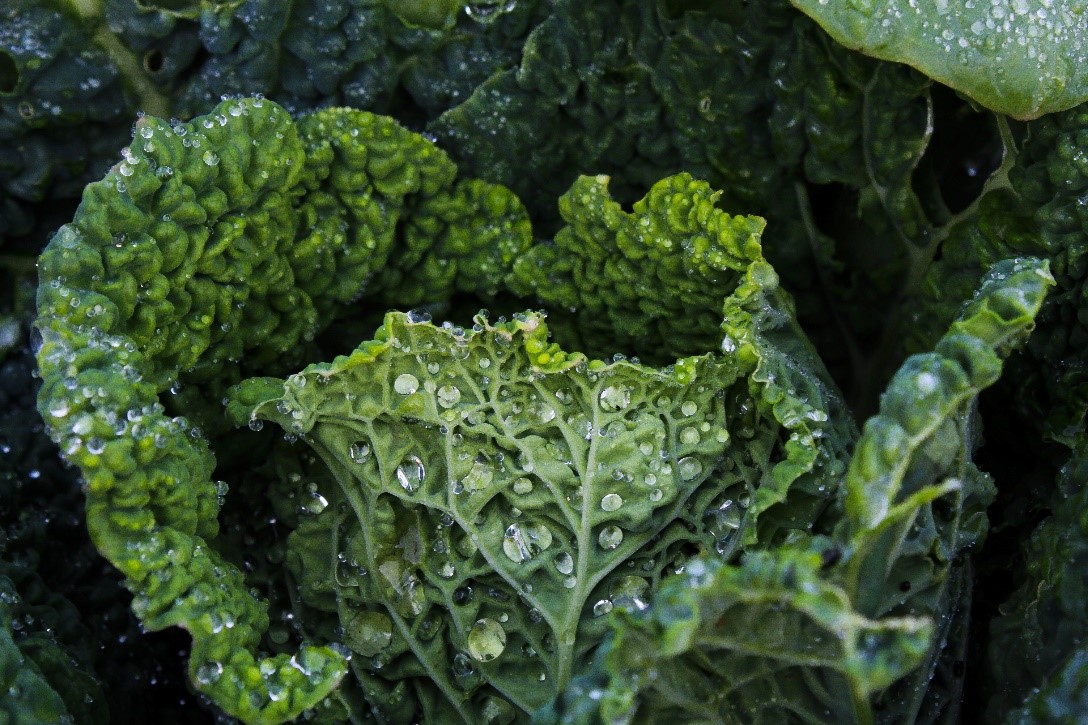
Fall and winter edible gardens can do more than produce food. They can reduce bare soil, support beneficial insects, manage stormwater, and make neighborhoods feel more alive during colder months. In cities where green space is limited, every planter, median, courtyard, and community bed has the potential to work harder.
Choose plants that offer more than one benefit. Kale, chard, herbs, and cabbage provide food and texture. Berry shrubs feed people and birds when planted in the right setting. Fruit trees create shade, spring flowers, habitat, and harvests. Cover crops protect soil and add organic matter when a bed is resting.
Keep maintenance realistic. A small, well-cared-for and organized garden will build more community trust than a large garden that becomes weedy or confusing. Plan access paths, water sources, signage, compost areas, and seasonal cleanup from the start. Sustainable landscaping is not just about plant choice; it is about designing systems people can actually maintain.
For home gardeners, the same idea applies. Start with one bed, one container group, or one protected corner. Learn how your space handles wind, shade, frost, and drainage. Then expand with confidence.
Common Mistakes to Avoid
Even experienced gardeners can stumble in the cool season. Most problems come from planting too late, choosing heat-loving crops, or forgetting that shorter days slow growth.
Watch for these common mistakes:
- Waiting until frost to start planting: Fall crops need time to size up before cold settles in.
- Skipping soil prep: Tired summer soil needs compost and care before supporting another crop.
- Overwatering: Cooler soil dries more slowly, so check moisture before watering.
- Ignoring airflow: Crowded greens can invite disease in damp weather.
- Using the wrong protection: Plastic directly on leaves can cause damage. Use hoops or fabric when needed.
- Forgetting aesthetics in public spaces: Edible gardens still need clean edges, labels, and seasonal design.
The good news is that fall gardening is forgiving once you understand the rhythm. Cool air, warm soil, and steady moisture create excellent growing conditions for many crops. With a bit of planning, you can keep gardens productive and inviting long after summer color fades.
Visit Jolly Lane Greenhouse for Seasonal Garden Help
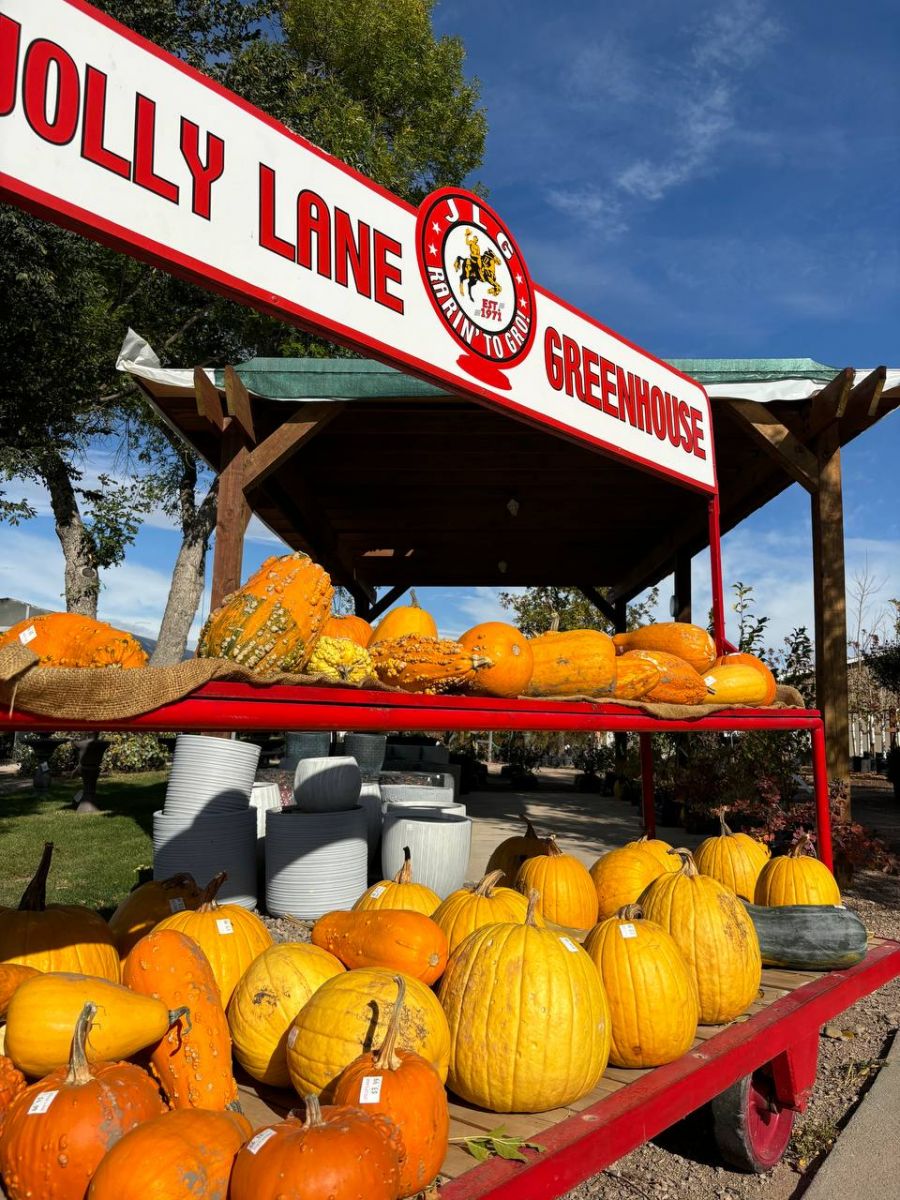
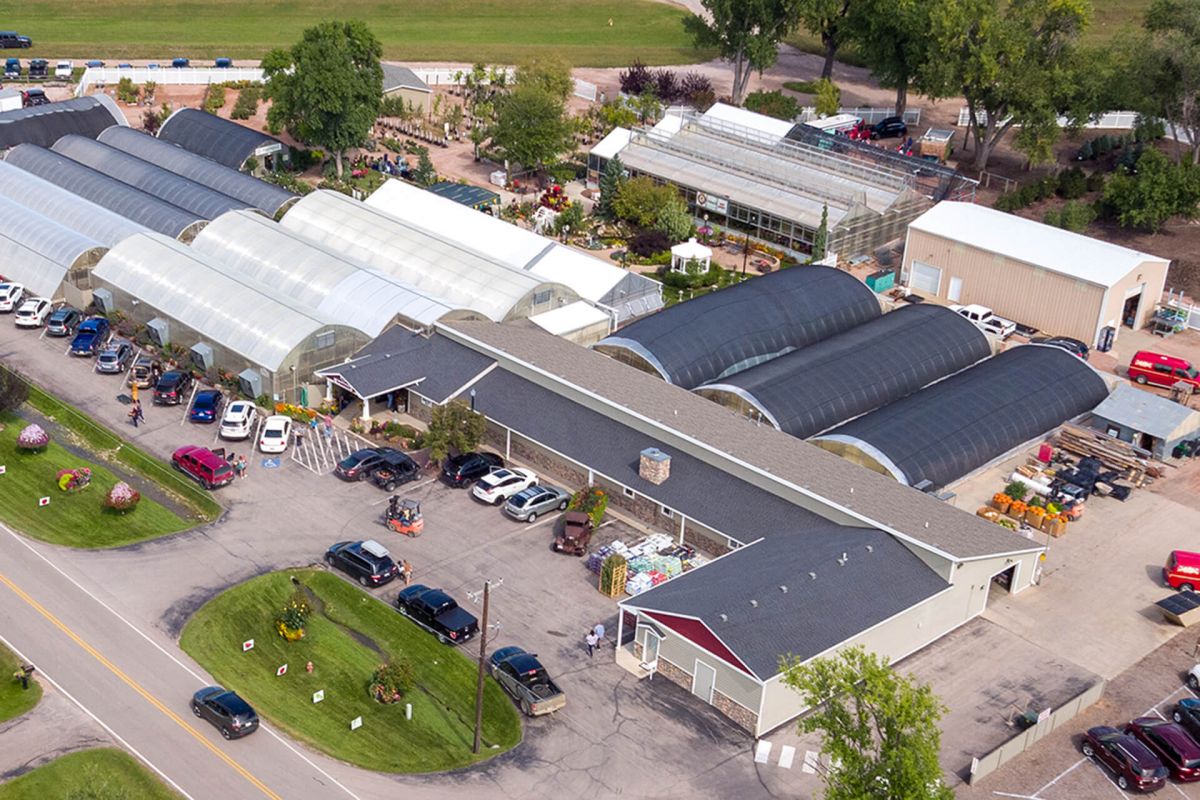
If you are planting fall veggies, selecting winter veggies, comparing fruit trees, or looking for practical supplies, stop in at Jolly Lane Greenhouse for friendly, local guidance. Bring all your gardening queries, your planting ideas, or even a rough sketch of your space. Our team can help you think through plant choices, seasonal color, soil needs, and ways to make your garden both beautiful and useful.
If you are refreshing a backyard bed, building a community garden, or adding sustainable landscaping to an urban project, fall is a wonderful time to plan(t) with purpose. Browse seasonal plants, gather fresh ideas, and get the advice you need to keep growing as the temperatures drop.
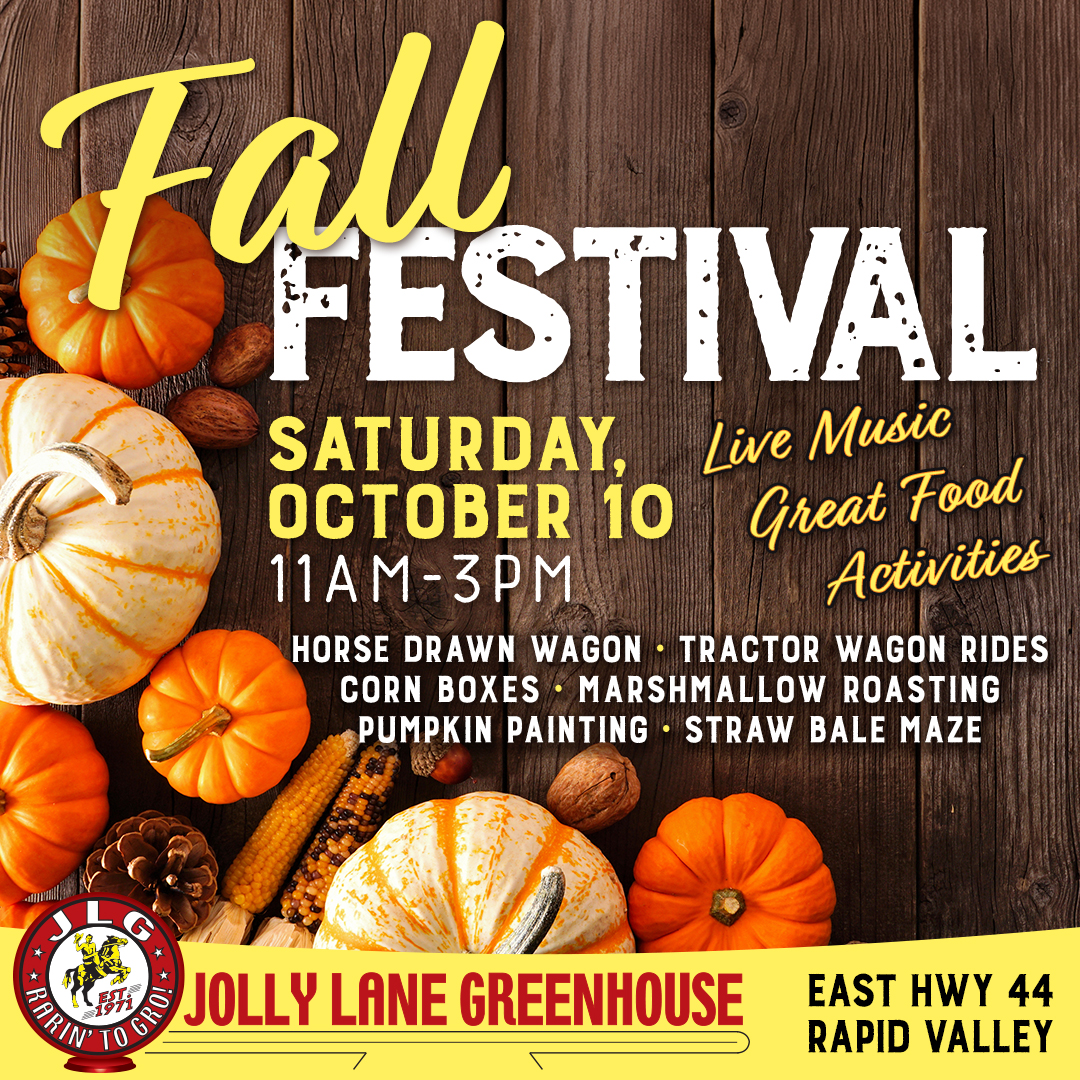
+ Don't forget to celebrate this autumn season with us! Join Jolly Lane for our 19th Annual Fall Festival on Saturday, October 10th, from 11am to 3pm at our Greenhouse in Rapid City, South Dakota. Come enjoy the fall fun, get inspired for your own garden, and make a day with family and friends.
(Click on the image below to learn more!)